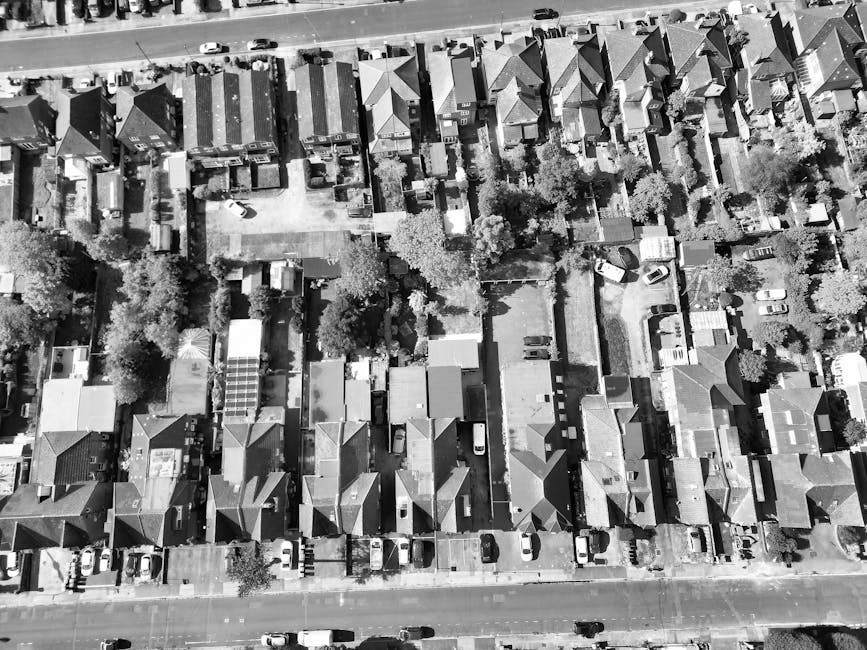
Common problems with Ealing gardening access and solutions
If you have ever tried to get garden work done in a typical Ealing property, you will know access can be the awkward bit nobody talks about until the team arrives with tools, bags, and a wheelbarrow. Narrow side passages, steep steps, locked gates, shared entrances, bins in the way, or no practical parking nearby can all slow things down. This guide on Common problems with Ealing gardening access and solutions explains what usually goes wrong, why it matters, and what actually helps. A lot of it is simple, really - but simple does not always mean obvious when your garden is tucked behind a terrace or split-level home.
We will cover the most common access issues, how professional gardeners plan around them, what to check before a visit, and how to avoid the usual last-minute scrambles. There is also a checklist, a comparison table, and a realistic example from a typical Ealing setup.
Table of Contents
- Why access problems matter
- How garden access is usually assessed
- Key benefits of sorting access in advance
- Who this is for and when it makes sense
- Step-by-step guidance
- Expert tips for smoother garden access
- Common mistakes to avoid
- Tools, resources and recommendations
- Law, compliance, standards and best practice
- Options, methods and comparison table
- Case study or real-world example
- Practical checklist
- Conclusion
- Frequently asked questions
Why Common problems with Ealing gardening access and solutions Matters
Garden access sounds minor until it gets in the way of the actual job. In Ealing, that can mean anything from a quick lawn tidy-up to a bigger clearance or landscaping project. A garden might be perfectly reachable for the homeowner, but still awkward for a gardener carrying hedge trimmers, bags of waste, paving materials, or a mower through a tight route.
Why does that matter? Because access affects time, labour, safety, and sometimes the final result. If gardeners have to work around a very narrow entrance, they may need to use smaller equipment, make more trips, or adjust the order of work. That does not automatically mean the job is a problem. It just means planning matters more than usual.
Truth be told, access issues are one of the main reasons jobs take longer than people expect. And in a busy part of West London, where properties can vary from compact terraces to larger suburban homes, the difference between an easy visit and a frustrating one can come down to a single gate width or a parked car blocking the side path.
Sorting access early helps with:
- more accurate scheduling
- safer use of tools and waste removal
- fewer delays on arrival day
- better cost estimates
- less stress for the homeowner and the work team
If you want a broader look at the kind of work that often needs careful access planning, the services overview is a useful starting point.
How Common problems with Ealing gardening access and solutions Works
In practice, garden access is the route from the street or driveway to the working area. That route needs to support people, tools, and waste movement without unnecessary risk. It might be a side alley, a shared passage, a rear lane, a decking step, or an indoor route through a garage or side entrance. There is no single Ealing layout, which is exactly why this needs a case-by-case approach.
A good gardener will usually think through a few basic questions before starting:
- Can tools be carried in easily, or do they need to be broken down into smaller loads?
- Is there room to turn, lift, or tip waste safely?
- Will large bags, soil, branches, or turf pass through gates and paths without damage?
- Is parking close enough for unloading?
- Do the client, neighbours, or shared access arrangements create any restrictions?
The solution is often a combination of preparation and smart sequencing. For example, hedge trimming may be possible even with narrow access if the cuttings can be bagged in stages. By contrast, a full clearance of overgrown planting, ivy, and rubble might need a different approach altogether, possibly with extra labour and a waste plan. If the garden needs a reset first, garden clearance can be a practical place to start.
It is also worth remembering that access is not only about width. Height clearance, slippery paving, awkward corners, fragile fencing, poor lighting, and poor visibility all affect whether a route is genuinely workable. One broken slab or hidden step can cause more trouble than a gate that is technically wide enough. Funny how that happens, isn't it?
Key Benefits and Practical Advantages
When access problems are handled properly, the benefits show up fast. The job usually feels calmer, cleaner, and more predictable. That is good for everyone.
1. Better timekeeping
With access details known in advance, the team can bring the right equipment and allow realistic time for moving materials.
2. Lower risk of damage
Careful planning reduces the chance of scuffed walls, crushed plants, broken handles, or muddy footprints through indoor areas.
3. Safer working conditions
Gardening often involves sharp tools, heavy bags, and repeated lifting. Safe access reduces strain and trip hazards.
4. Less disruption for neighbours
In shared spaces, a tidy access plan helps avoid complaints about blocked paths, noise, or waste left in common areas.
5. More accurate quotes
If access is straightforward, pricing is easier to estimate. If it is not, a reliable provider can factor in the true effort involved rather than guess.
6. Better results for complex projects
For landscaping, new planting, or structural work, access is often the difference between a smooth install and a stressful patch-up.
You will notice this most on jobs that involve regular visits. For instance, a weekly lawn mowing service is much easier to keep consistent if gates are unlocked, pathways are clear, and mower access is planned rather than improvised every time.
Who This Is For and When It Makes Sense
This is for anyone in Ealing who wants gardening or landscaping work done without the usual access headaches. That includes homeowners, landlords, letting agents, property managers, and residents with shared entrances or rear gardens. If your garden can only be reached through a narrow side passage, a communal route, or a driveway that doubles as a parking area, this topic is for you.
It also matters if you are planning any of the following:
- hedge trimming near a tight side return
- garden clearance after a long gap in maintenance
- tree pruning or removal with limited rear access
- new landscaping where materials need to be carried through the property
- decking installation or repair where heavy components must pass through a narrow route
In some homes, access is fine for light maintenance but not for heavier work. That distinction matters. A quick tidy-up can often be done with hand tools and waste bags. A full garden redesign is a different matter. If you are considering more structural changes, the pages for landscaping and landscape gardening are relevant because these jobs tend to depend more heavily on access and logistics.
To be fair, some people only think about access on the day the gardener arrives. That is normal. But if you are planning ahead, even a 10-minute walkthrough can save a lot of back-and-forth later.
Step-by-Step Guidance
Here is a practical way to handle access issues without making the process feel like a military operation. Keep it simple, but do it properly.
- Walk the access route from street to garden
Check gates, side passages, steps, flooring, corners, lighting, and any places where tools might snag. - Measure the tight points
Do not guess. A wheelbarrow, mower, or compost bag can be awkward in a space that looks fine at first glance. - Look for obstacles
Bikes, bins, planters, hose reels, outdoor furniture, and children's toys are the usual suspects. - Decide what must be moved before work starts
Anything that blocks access should be shifted in advance if possible. It sounds obvious. Yet somehow the BBQ often stays put. - Check parking and unloading
Think about where the team can stop briefly and legally. The closer the drop-off point, the easier the day. - Flag fragile surfaces or narrow steps
Loose slabs, wet decking, steep slopes, and damaged paving need caution. - Separate the job into access-friendly stages
For example, cut back overgrowth first, then clear waste, then complete finer work. - Confirm what equipment is needed
Some jobs need compact tools, long-handled equipment, or smaller waste bags rather than bulkier machinery. - Agree who unlocks gates and who manages shared entrances
If there are tenants or neighbours involved, make the handover clear. - Review the plan before the visit
A final message or note the day before can prevent a wasted journey.
That process works especially well for maintenance visits. If the garden is already reasonably tidy, regular garden maintenance can keep access issues from growing into bigger access problems. Little and often really does help.
Expert Tips for Better Results
These are the small, practical things that make a noticeable difference on the ground.
- Keep the route clear the night before. Not in a frantic way, just tidy enough that nobody has to step around clutter while carrying tools.
- Open gates fully and check locks. Half-open gates waste time and can catch bags, hoses, or tool handles.
- Use smaller containers for awkward waste. In tight spaces, smaller loads are often safer than overfilled bags. Less drama, more control.
- Protect indoor or shared routes if they must be used. Old towels, dust sheets, or temporary mats can help reduce mess.
- Take weather into account. A narrow side path after rain can become slippery fast, especially on shaded paving that never quite dries by lunchtime.
- Talk about trees and hedges early. Overgrown branches can block access as much as they block light. If that is the issue, hedge trimming or tree lopping and removal may need to be part of the plan.
- Keep neighbours informed when shared access is involved. A quick heads-up can prevent a lot of awkwardness.
One useful rule of thumb: if you would find the route awkward while carrying a full laundry basket, it will probably be awkward for a wheelbarrow too. Simple, but helpful.
Common Mistakes to Avoid
Access problems often become expensive because of one or two avoidable mistakes. The good news is that these are usually easy to spot once you know what to look for.
Assuming "it will be fine". This is the biggest one. A route that looks usable for one person on foot may not work for larger tools or waste.
Forgetting about waste removal. People often plan how the work will start, but not how clippings, branches, soil, or rubble will leave the site. That bit matters a lot.
Leaving clutter in the access route. It only takes a few bin bags or a child's trike to turn a neat passage into an obstacle course.
Ignoring neighbour or shared-area needs. In Ealing, as elsewhere in London, many gardens are attached to shared entrances or narrow communal paths. If someone else needs access too, the arrangement should be clear before work begins.
Choosing heavy methods for a light-access garden. Sometimes the right solution is simply a smaller machine, more hand work, or a phased approach. Not every job needs the biggest kit on the van. Thank goodness.
Not checking insurance or safety practice. If a provider is moving tools and materials through tight spaces, safety planning should be part of the conversation. It is sensible to review the company's insurance and safety information and, where relevant, the health and safety policy.
Tools, Resources and Recommendations
The right tools do not solve access issues on their own, but they make a big difference. In practical terms, the following items often help:
- compact hand tools for tight side passages
- folding or lightweight equipment where possible
- smaller waste bags for staged removal
- protective mats for sensitive flooring or decking
- gloves with good grip for carrying materials safely
- head torches or portable lighting for darker routes
- measuring tape for checking gate widths and turning points
On the service side, it helps to know which tasks are likely to need more access planning. Regular mowing is usually straightforward, while clearance, tree work, and redesign work can be more demanding. If you are weighing up what to book first, the most relevant pages are often lawn mowing, garden clearance, and tree lopping and removal.
For broader project planning, the pricing and quotes page can help set expectations around how detailed quoting works. And if you are comparing different levels of service, the services overview is a handy reference.
Law, Compliance, Standards and Best Practice
Garden access is not usually a complicated legal issue on its own, but it can touch on several practical duties. Safe movement, considerate use of shared spaces, and sensible waste handling all matter. If you live in a property with communal areas, you may need to respect building rules or agreed access arrangements. If a job involves ladders, cutting tools, heavy lifting, or working near structures, safety planning becomes more important again.
Best practice usually means:
- keeping access routes as clear as possible
- checking for trip hazards before work starts
- using suitable lifting and carrying methods
- avoiding damage to shared property or neighbouring boundaries
- managing green waste responsibly
- making sure everyone understands who can open which gates and when
If sustainability matters to you, it is also reasonable to ask how waste is managed. Many clients like to understand whether cuttings, soil, and other garden waste will be recycled or disposed of responsibly. The recycling and sustainability page is worth a look if that is part of your decision-making.
One more thing: access planning and safety tend to go hand in hand. If the route is awkward, the risk of slips, strains, or damage rises. That is just the reality of the job.
Options, Methods, or Comparison Table
Different access problems call for different responses. There is no single fix, which is why comparing methods helps.
| Access issue | Best practical response | When it works well | Trade-off |
|---|---|---|---|
| Narrow side passage | Use smaller tools, staged waste removal, and lighter loads | Routine maintenance, hedge work, light clearance | May take more trips |
| Shared entrance or communal route | Agree timing, protect surfaces, keep the route tidy | Terraces, flats, converted homes | Needs coordination with others |
| Blocked access by bins or furniture | Clear the route before arrival | Most domestic gardens | Requires homeowner prep |
| Steep or slippery steps | Use caution, smaller loads, and better footwear | Split-level gardens, sloping plots | Slower movement |
| Poor parking nearby | Plan unloading times and closest legal stopping point | Dense residential streets | Can add setup time |
| Overgrown entrance blocking movement | Trim back first, then complete the main work | Neglected gardens, clearances | May require phased visits |
The main choice is usually between speed and flexibility. Bigger tools may finish faster once inside, but smaller kit can be easier to get in and out. In many Ealing gardens, the smarter answer is a bit of both: efficient enough to keep the job moving, compact enough to fit the space.
Case Study or Real-World Example
A fairly typical example: a small terraced property in Ealing with a rear garden accessed through a narrow side return and a gate that opens only part way because of an awkward bin store. The owner wanted a tidy-up, hedge reduction, and removal of a pile of old cuttings that had built up over winter. Nothing dramatic. Just one of those jobs that looks simple from the front and slightly less simple once you get round the back.
The first step was to clear the access route and check the gate swing. That alone made a difference. Next, the work was split into stages: cut back the hedge, bag the trimmings in smaller loads, then move waste out in controlled trips. Rather than forcing a larger mower through the passage, the team used more manual cutting and hand cleaning around edges. The result was a cleaner finish and fewer risks to walls, paving, and the client's planting.
What did this show? Mainly that access problems are often manageable when they are understood early. The job was not "difficult" in a dramatic sense. It just needed a bit of patience and the right sequence. That is usually the story, to be honest.
For larger overgrown spaces, the same principle applies but with more planning. A service like garden clearance can be especially useful when access is restricted by debris, brambles, broken pots, or old timber that must be removed before any finer work can begin.
Practical Checklist
Use this checklist before a garden visit or quote. It is simple, but it catches a lot of the usual problems.
- Is the gate wide enough for the equipment needed?
- Can the route be walked safely without climbing over clutter?
- Are steps, slopes, or wet areas likely to cause issues?
- Will bins, bikes, furniture, or materials need moving first?
- Is the access shared with neighbours or other occupants?
- Is there a place for legal and convenient parking or unloading?
- Do any hedges, branches, or fences narrow the route further?
- Will waste need to be carried through a house or communal area?
- Are there fragile surfaces that need protection?
- Have you explained any security, lock, or alarm arrangements?
Quick reminder: if access is uncertain, say so. It is better to flag the issue early than to let it become a problem on the day. Nobody enjoys a surprise gate dispute at 8:15 in the morning.
Conclusion
Common garden access problems in Ealing are usually manageable, but they should never be ignored. Narrow passages, shared entrances, awkward parking, overgrown routes, and tight internal spaces can all affect timing, safety, and the quality of the finish. The good news is that most issues have practical solutions: measure first, clear the route, plan the sequence, and match the method to the space.
For homeowners, landlords, and property managers, a little preparation goes a long way. It helps the work move smoothly, it reduces the chance of damage, and it makes the whole process feel far less stressful. And let's face it, if you are paying for professional garden work, you want the day to feel organised, not improvised.
If you are weighing up your next step, start with a clear view of the job, the route, and the level of access available. That one habit saves a lot of trouble later, and it tends to lead to a better result all round.
Get a free quote today and see how much you can save.
Frequently Asked Questions
What are the most common garden access problems in Ealing?
The usual issues are narrow side passages, small gates, shared entrances, poor parking, overgrown routes, and awkward steps or slopes. In many cases, several of these appear together, which is why planning matters.
How do gardeners work in a garden with very limited access?
They may use smaller tools, break the work into stages, carry waste in lighter loads, and protect surrounding surfaces. Sometimes the job is still straightforward; it just needs a more careful method.
Do I need to clear the path before the gardener arrives?
Yes, if you can. Moving bins, bikes, furniture, toys, and other clutter makes a big difference. It helps the team start immediately rather than spend time creating a route.
Can a garden still be maintained if only a narrow side passage is available?
Usually yes. Routine work like tidying, mowing smaller areas, or hedge trimming can often be done through narrow access. The exact approach depends on the tools needed and how tight the route is.
What if waste has to be carried through the house?
That can still be workable, but it should be discussed in advance. Protective coverings, clear routes, and agreed handling methods help reduce mess and avoid damage.
Does poor parking affect the cost of garden work?
It can. If access is awkward or unloading takes longer, the job may need more time and labour. A proper quote should take that into account rather than pretending it does not matter.
Is garden clearance harder than regular maintenance when access is tight?
Usually yes. Clearance often means bulkier waste, more trips, and more handling. Regular maintenance is often easier because the garden is already under control. If the space is badly overgrown, clearance is often the sensible first step.
What should I tell a gardener before booking?
Tell them about gate width, side access, parking, shared entrances, steps, overgrowth, locked areas, and any fragile surfaces. The more practical detail you share, the better they can plan.
Do I need to worry about neighbours when access is shared?
Yes, a little. Shared entrances and communal routes can create friction if people are not informed. A quick conversation or agreed schedule can prevent unnecessary complaints and delays.
What is the best way to handle overgrown hedges blocking access?
Trim or reduce the hedge first, then complete the main garden work. In some cases, hedge trimming is the access solution as much as the garden job itself.
Can landscaping projects be done in gardens with difficult access?
They can, but access needs to be part of the design and delivery plan. Materials, tools, waste, and installation methods all need to suit the route to the garden. That is where careful planning pays off.
Where can I find more information about working with a garden service?
Useful starting points include the about us page for background, the pricing and quotes page for expectations, and the contact us page if you want to discuss access before booking.