Recycling and Sustainability for Garden Maintenance Ealing
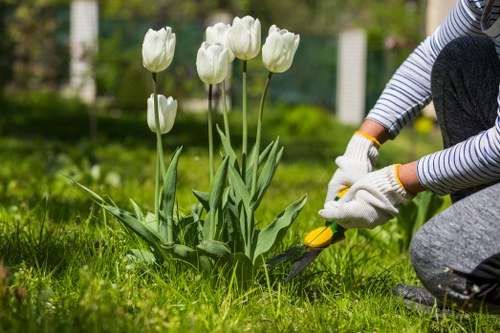 Garden Maintenance Ealing is committed to creating an eco-friendly waste disposal area and establishing a practical, scalable sustainable rubbish gardening area across the borough. Our approach to garden maintenance in Ealing focuses on reducing disposal, maximizing reuse and recycling, and delivering visible environmental benefits for local green spaces. We combine best practice waste separation, on-site composting where feasible, and careful material reuse so that every site we manage contributes to a circular approach to garden waste.
As part of our sustainability framework we have set a clear recycling percentage target: to recycle or reuse at least 70% of all garden and landscaping waste from our contracts by 2028. This target covers green waste, soil, timber, metal, and packaging related to maintenance work. The target is monitored through job-level reporting and route-level audits so we can continually improve performance. For residents and clients needing reassurance, our Ealing garden maintenance teams will show how waste streams are separated and diverted from landfill.
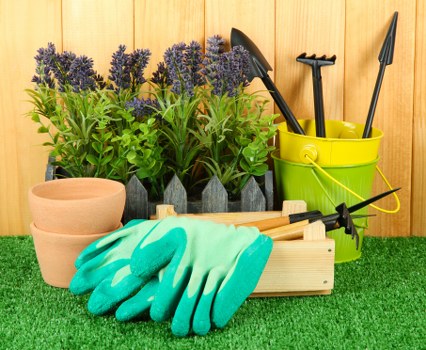 The borough's approach to waste separation is reflected in our operational practice: we align with local guidelines on separate garden and food waste collections and we encourage separation of recyclable materials on-site. Typical activities include sorting out:
- Green waste (grass cuttings, branches, hedge trimmings) for composting or anaerobic digestion.
- Wood and timber that can be chipped and reused as mulch.
- Soil and turf that can be screened and re-used on projects or offered to community gardens.
We work closely with local transfer stations and community recycling centres to ensure material is handled in the most sustainable way possible. Rather than relying on large skips that often end up as mixed waste, our teams consolidate green waste for delivery to municipal transfer stations and approved composting facilities across west London. This reduces haulage, lowers the risk of contamination, and supports the circular economy in Ealing and neighbouring boroughs. By integrating local transfer stations into our supply chain we shorten transport distances and keep more material in productive reuse.
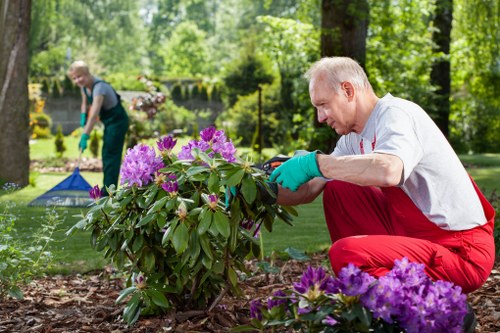
Partnerships with charities and community organisations
Our commitment goes beyond disposal: we have active partnerships with local charities, community gardens and allotment groups to redistribute reusable materials. Usable soil, reclaimed paving, plants and surplus topsoil are offered to worthy community projects and social enterprises. These collaborations help turn what might otherwise be waste into resources that support food-growing projects, training programmes, and local biodiversity initiatives. We prioritise charity partners that accept soil and plant donations, repair and repurpose timber, and run community composting schemes.To make these relationships reliable we maintain a schedule of collections and donations, and we record the volumes donated as part of our sustainability reporting. This formalises the benefits and provides transparency: recycled or redistributed tonnes are logged against our recycling percentage target, and we publish an annual breakdown of outputs that shows how the sustainable rubbish gardening area is making a measurable difference to the borough.
Low-carbon fleet and operational efficiencies
Our fleet strategy is fundamental to reducing the carbon footprint of Ealing garden maintenance services. We have invested in low-carbon vans — a mix of battery-electric vehicles and efficient hybrid models — and are phasing out older diesel-only vehicles. Route optimisation software, driver training on eco-driving, and consolidation of loads reduce miles travelled and idling time. These measures complement our waste diversion work because fewer, cleaner journeys mean lower overall emissions from moving materials to recycling points and transfer stations.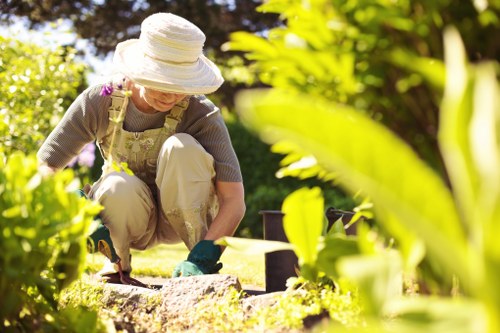 On-site we emphasise practical, low-impact techniques: composting organic residues, using chipped wood as mulch, and employing soil reuse protocols to reduce the need for new materials. Where skip use is unavoidable we prefer roll-on, roll-off systems that enable careful sorting off-site at transfer stations (not mixed landfill). These choices protect local air quality and support the borough's waste separation policies while keeping maintenance costs responsible and transparent for clients.
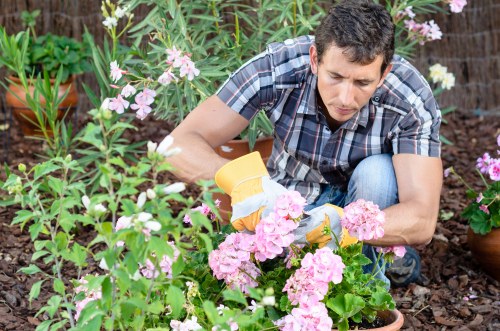 Our sustainable rubbish gardening area includes clear segregation points for workers, labelled containers for different materials, and ongoing training for teams so that contamination is minimised. We record diversion rates per job and present clients with clear evidence of how materials were handled. Typical diversion breakdowns we target include:
- Composting/reuse of green waste: 45–55%
- Wood recycling and mulch production: 10–20%
- Soil reuse and screening: 5–15%
- Metal, stone and hard landscaping reuse: 5–10%
Standards, monitoring and continuous improvement
We use a combination of digital job records, transfer station receipts and charity donation logs to verify outcomes. Garden maintenance in Ealing is measured not only by finished planting or tidy hedges but also by the environmental benefit delivered through proper waste management. Regular internal audits, spot checks at handover, and annual sustainability reviews help us stay on track and identify opportunities to increase the proportion of material kept in productive use.Our approach aligns with Ealing Council's guidance on recycling and waste separation while pushing the envelope for private sector action in the borough. By combining robust on-site separation, partnerships with local transfer stations, charitable redistribution, and a low-carbon fleet, we make sustainable garden services a practical choice for residents and property managers alike. If you are looking for reliable, environmentally conscious Ealing garden maintenance, our systems prioritise resource conservation at every stage.
Commitment: we will keep publishing progress, expanding our charity partnerships, and investing in cleaner vehicles to ensure the borough benefits from greener garden maintenance and a resilient, well-managed eco-friendly waste disposal area.