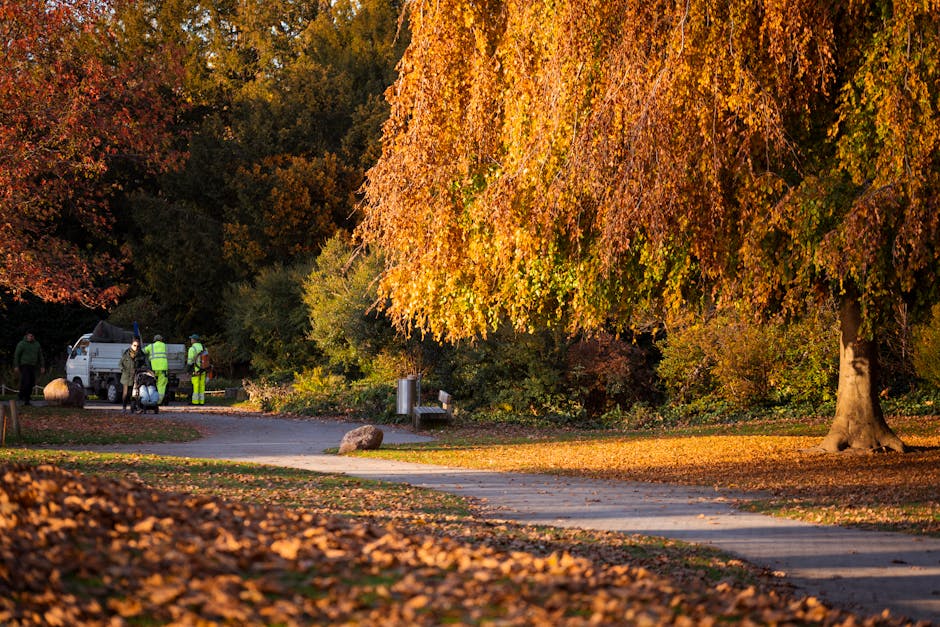
W5 Gardeners Tree Pruning Near Walpole Park: A Practical Local Guide
If you are looking for W5 gardeners tree pruning near Walpole Park, you are probably trying to solve one of a few very real problems: a tree that is getting too tall for the garden, branches brushing the roof, low growth blocking light, or maybe a tree that just looks untidy and a bit overgrown. Truth be told, pruning is one of those jobs that seems simple until you stand under the canopy and realise there is a lot more going on than a few snips here and there.
This guide explains what proper tree pruning involves, why it matters in a busy local area like W5, how a professional approach usually works, and what to look for before you book a gardener or tree specialist. It also covers common mistakes, practical checks, and how tree care fits alongside broader garden upkeep such as garden maintenance, hedge trimming, and, where needed, tree lopping and removal.
Near Walpole Park, gardens often sit close to neighbouring properties, footpaths, and mature planting. That means pruning is not just about appearance. Done well, it improves safety, light, airflow, and the long-term health of the tree. Done badly, it can leave a tree stressed, misshapen, or even unsafe. So let's take it step by step.
Why W5 gardeners tree pruning near Walpole Park Matters
Tree pruning is often treated like a quick tidy-up. In reality, it is part of responsible tree care. Around Walpole Park and the wider W5 area, many gardens contain established trees that have had years of natural growth. Some are ornamental, some are fruit trees, and some are simply good-sized garden trees that now need a more careful approach than they did five or ten years ago.
Pruning matters for three main reasons. First, it can help the tree stay structurally sound by removing weak, crossing, or badly placed branches. Second, it can reduce nuisance issues such as branches scraping walls, shedding over patios, or reaching into paths and driveways. Third, it can improve the overall balance of the garden, which matters more than people sometimes admit. A shaded lawn, a dark kitchen window, and a damp border can all start to feel like one small ongoing annoyance. One cut can make a surprising difference.
There is also a neighbourhood factor. In built-up parts of West London, overgrown trees can affect light for you and your neighbours, and sometimes lead to awkward conversations. Sensible pruning is often the calmer, cleaner answer. Not dramatic. Just proper.
Expert takeaway: good pruning should leave the tree healthier, better shaped, and less likely to cause problems later. If it only looks smaller for a few weeks but leaves messy stubs or torn branches, that is not a win.
How W5 gardeners tree pruning near Walpole Park Works
The exact method depends on the species, the season, the size of the tree, and what you want to achieve. A careful gardener or tree specialist usually begins with a visual assessment. They will look at branch structure, deadwood, signs of disease, the tree's relation to fences and buildings, and whether the growth is simply too dense or whether it needs more serious corrective work.
For many garden trees, pruning is selective rather than severe. That means removing specific branches to improve shape, reduce conflict, or encourage healthy growth. It may involve crown thinning, crown lifting, deadwood removal, or light formative pruning on younger specimens. In plain English, that means opening the canopy, raising lower branches, or guiding growth while the tree is still easy to shape.
More intensive work, such as large reductions or removal of unstable limbs, needs a more cautious approach. If the tree is close to a structure or appears compromised, professional judgment matters a lot. And yes, ladders, saws, and wet branches are not a fun combination. A windy afternoon in W5 can turn a simple job into a messy one pretty quickly.
For many households, pruning is part of a wider garden plan rather than a one-off task. If the rest of the outside space is also getting cluttered, combining pruning with garden clearance or ongoing services overview work can make the whole place feel sorted in one go. Sometimes that is the easier path, honestly.
Key Benefits and Practical Advantages
When pruning is done properly, the benefits are practical and visible. You usually notice the difference from the ground long before you notice the technical details.
- More light in the garden: thinner canopies and lifted branches allow more daylight into borders, lawns, and windows.
- Better airflow: improving circulation through the canopy can help reduce dampness and limit crowded growth.
- Reduced nuisance: branches are less likely to overhang roofs, block gutters, or rub against walls and windows.
- Improved appearance: the tree looks intentional rather than neglected.
- Safer structure: removing weak or damaged growth can lower the risk of branch failure.
- Healthier long-term growth: the tree can put energy into stronger, better-placed shoots.
There is a bigger benefit too: pruning can help you avoid emergency work later. A tree left for too long may need heavier intervention, which is often more disruptive and sometimes more expensive. That is one reason regular care usually pays off. Small maintenance now. Less stress later.
If you also want the wider garden to look polished, tree pruning tends to work well alongside lawn mowing, landscaping updates, or even structural improvements such as decking services. A well-pruned tree can make the rest of the space look more intentional without changing anything else. Funny how that works, isn't it?
Who This Is For and When It Makes Sense
W5 gardeners tree pruning near Walpole Park makes sense for a lot of different property types. You might be a homeowner with a mature tree that has outgrown its welcome. You might manage a rental property where the garden needs regular upkeep. You might have a family garden where branches are beginning to hang over a play area or patio. Or maybe you simply want to restore some shape after a few seasons of unmanaged growth.
It is especially relevant if you notice any of the following:
- branches brushing against the house, shed, or boundary fence
- dead, cracked, or obviously hanging limbs
- too much shade across the lawn or seating area
- crowded branch growth that blocks light and air
- fruit trees producing poorly because they have not been pruned properly
- trees that look lopsided or top-heavy
- lower branches making the garden feel cramped
Season matters too. Some trees are best pruned during dormancy, while others are better handled at different times of year depending on species and condition. A good local gardener will not just grab the saw and start. They will ask what the tree is, what result you want, and whether the timing suits the tree's health.
If you are not sure whether pruning is enough, or whether a more serious intervention is needed, a specialist in tree lopping and removal can help assess the options. Not every overgrown tree needs removing. In many cases, it just needs a steady hand and a sensible plan.
Step-by-Step Guidance
Here is a practical overview of how a well-run pruning job usually unfolds. It sounds straightforward, and mostly it is, but the details matter.
- Start with an assessment. Check the tree's size, species, health, and position. Note any deadwood, signs of decay, awkward lean, or branches touching structures.
- Define the goal. Are you trying to reduce shade, improve shape, clear access, or improve safety? The pruning method should match the goal.
- Choose the right time. Some trees respond better when pruned during a dormant period, while others are more sensitive. If in doubt, ask before cutting.
- Remove obvious hazards first. Dead, broken, or diseased branches usually come out before shaping work begins.
- Prune selectively. Make clean cuts in the right place, avoiding ragged stubs or excessive removal in one go.
- Check the tree from a distance. Step back and look at balance, symmetry, and how the tree sits within the garden.
- Clear and tidy the site. Branches, twigs, and leaves should be removed or dealt with properly so the area is safe to use.
That last bit is more important than it sounds. A pruning job is not really finished until the garden is safe to walk through and pleasant to look at again. No one wants to find a hidden offcut under the hedge three days later.
Expert Tips for Better Results
Here are the sorts of details that separate decent pruning from genuinely good pruning.
- Do not take off too much at once. A tree can be stressed by over-pruning, even if it looks tidy immediately afterwards.
- Make cuts just outside the branch collar. That small swollen area is where the tree naturally seals itself. Cutting too close or too far can slow recovery.
- Think about future growth. A branch that looks harmless now may become a problem in a year or two.
- Keep the natural form in mind. Trees are not hedges. They should still look like trees when you are done.
- Use the opportunity to inspect the whole garden. Sometimes a tree issue is also a drainage, border, or access issue.
A practical local example: a tree near a patio may not need a dramatic reduction. It may simply need lower branches lifted so people can sit underneath without brushing shoulders against damp leaves. Small change. Big difference.
And if the tree sits near a boundary, a polite conversation with neighbours beforehand can save a lot of friction later. Not always necessary, but often wise. A bit of communication goes a long way.
Common Mistakes to Avoid
People often assume tree pruning is just a question of cutting back whatever seems too long. That is where trouble starts.
- Over-pruning: removing too much foliage at once can shock the tree and lead to weak regrowth.
- Topping the tree: this usually creates an ugly shape and can encourage unstable regrowth.
- Using blunt or dirty tools: rough cuts can damage tissue and spread problems between plants.
- Ignoring safety: working under heavy limbs or near overhead obstacles is not the place for guesswork.
- Forgetting the end goal: cutting without a clear purpose can make the tree look worse than before.
A common one, and we all do this with gardens sometimes, is thinking "I'll just take a bit more off." A bit more. Then a bit more. Before you know it, the tree has lost its shape and the whole thing looks slightly wounded. Better to stop, step back, and reassess.
Another mistake is treating every tree the same. Different species respond differently, and not every tree wants the same style of pruning. What works for one might be poor practice for another. It really is worth pausing before you cut.
Tools, Resources and Recommendations
You do not need a shed full of specialist kit to understand what proper pruning involves, but it helps to know the basics. Good work usually depends on the right tool for the branch size and on clean handling rather than brute force.
| Method or tool | Best used for | Practical note |
|---|---|---|
| Hand secateurs | Small shoots and light trimming | Useful for fine cuts, but not for woody branches |
| Loppers | Medium stems and awkward smaller branches | Good leverage, though technique still matters |
| Pruning saw | Thicker branches | Cleaner than forcing cutters beyond their limit |
| Pole tools | Higher reach work | Helpful for access, but can be less precise |
| Professional tree equipment | Complex or elevated pruning | Best left to trained hands, especially near structures |
For a typical household, the real recommendation is not about buying more tools. It is about knowing when a tree has moved beyond routine garden work. If the job involves height, a large canopy, unstable limbs, or awkward access, bring in a professional. That is the sensible line.
When tree pruning is part of a wider tidy-up, it can also help to look at ongoing garden maintenance so the entire outdoor space stays manageable through the year. A little routine care is far easier than a rescue job every second winter.
Law, Compliance, Standards and Best Practice
Tree work in the UK is not something to approach casually. While this guide is not legal advice, there are some sensible expectations that homeowners and gardeners should keep in mind.
First, if a tree is protected by a Tree Preservation Order or sits in a conservation area, there may be restrictions on what you can prune or remove. You should check before work begins. Second, if branches overhang a boundary or cause issues with neighbours, the law and local practice can become relevant, especially where access or ownership is unclear. Third, safe working practices matter. Tree pruning often involves height, sharp tools, falling debris, and awkward footing, so planning and insurance are not just box-ticking exercises.
Good contractors should be able to explain their approach clearly, work with sensible safety procedures, and tidy the site properly. You can also look at company pages such as insurance and safety and health and safety policy to understand how they think about risk and responsibility. That is always a reassuring sign.
Best practice, in plain English, means this: only prune what needs pruning, use the right method for the tree, avoid causing preventable damage, and leave the tree in better condition than you found it. Simple enough, but not always simple to do.
Options, Methods, or Comparison Table
Not every tree situation calls for the same response. Here is a simple comparison to help you think through the options.
| Approach | Best for | Upside | Watch out for |
|---|---|---|---|
| Light pruning | Minor shaping and small problem branches | Low disruption, good for routine upkeep | May not solve larger structural issues |
| Crown thinning | Dense canopies that need more light and airflow | Improves balance without changing the whole outline | Needs restraint to avoid over-thinning |
| Crown lifting | Low branches blocking access or views | Creates space under the canopy | Should still preserve the tree's natural look |
| Reduction pruning | When a tree has outgrown its space | Helps control spread and height | Too much reduction can weaken the tree |
| Removal | Unsafe, diseased, or unsuitable trees | Removes the problem completely | More disruptive; should only be used when justified |
If you are unsure which option is appropriate, the safest move is to ask for an assessment first. A good professional will not push removal if pruning is enough. Equally, they should not promise that a massive tree can be "fixed" with a few quick cuts. That kind of optimism usually ends badly.
Case Study or Real-World Example
Picture a typical W5 garden near Walpole Park: a mature tree with a broad canopy, a small patio below it, and a lawn that has gone patchy because the tree has been stealing the light. The homeowner likes the tree, but the lower branches now hang too low and the path feels cramped. Leaves also collect on the patio after every bit of wind.
A sensible pruning plan would probably avoid over-cutting. Instead, the work might focus on lifting the canopy slightly, removing deadwood, and thinning selected branches to allow more daylight through. Once done, the patio feels brighter, the space is easier to use, and the tree still keeps its character. That is the sweet spot. Not butchered, not ignored. Just looked after.
In a case like that, the difference is not only visual. You may find the garden feels drier after rain, the seating area is more pleasant in the afternoon, and the whole place feels less boxed in. Small things, but they matter in day-to-day life. You notice them at 8am when you open the curtains, and again later when you sit out with a cup of tea.
Practical Checklist
Before booking or carrying out tree pruning, run through this simple checklist.
- Identify the tree species if possible.
- Check whether the tree is healthy, damaged, or showing signs of decay.
- Decide what you want pruning to achieve: light, safety, shape, or clearance.
- Look for obstacles such as roofs, fences, wires, sheds, or play areas.
- Consider whether the work might need specialist equipment.
- Think about whether the garden needs wider tidy-up work as well.
- Confirm whether a more serious solution, such as removal, is even being considered.
- Ask for a clear explanation of the method before work begins.
- Make sure the site will be left tidy and safe.
- Keep an eye on the tree after pruning for signs of stress or unusual regrowth.
If the list feels longer than you expected, that is normal. Good tree care is a bit more considered than many people first assume. And that is a good thing.
Conclusion
W5 gardeners tree pruning near Walpole Park is really about balance: keeping trees healthy, keeping gardens usable, and avoiding the headaches that come with letting growth run unchecked. Done properly, pruning improves light, structure, safety, and the general feel of the space without stripping away the character that makes mature trees valuable in the first place.
If you remember one thing, make it this: pruning should be purposeful. It should respond to a real need, use the right method, and leave the tree in better condition for the long term. Whether you are dealing with a crowded canopy, low branches, or a tree that is simply getting too ambitious for its patch of ground, a careful plan will always beat a rushed cut.
For support with pruning, ongoing upkeep, or a broader garden tidy, it can help to look at related services and company information such as about us, pricing and quotes, and contact us when you are ready to talk through your garden needs.
Get a free quote today and see how much you can save.
With the right care, even an overgrown tree can settle back into the garden and feel like part of the place again. That is the nice bit, really.
Frequently Asked Questions
What does tree pruning actually involve?
Tree pruning means selectively removing branches or shoots to improve the tree's health, shape, safety, or access around the garden. It is more precise than simply cutting things back.
How do I know if my tree near Walpole Park needs pruning?
Look for dead branches, heavy shade, branches touching buildings, awkward low growth, or a canopy that looks too dense. If the tree feels as though it is taking over the garden, pruning is probably worth considering.
Is pruning the same as tree removal?
No. Pruning keeps the tree in place and aims to improve its condition or structure. Removal is a separate step and is usually only considered if the tree is unsafe, unsuitable, or beyond recovery.
What time of year is best for pruning?
That depends on the species and the reason for pruning. Some trees are better pruned during dormant periods, while others respond better at different times. A local professional should advise based on the specific tree, not a one-size-fits-all rule.
Can I prune a tree myself?
Light trimming may be manageable for small, accessible growth. But anything involving height, heavy branches, poor access, or uncertainty about the tree's condition is better handled by a professional. Safety first, honestly.
Will pruning damage my tree?
Proper pruning should not damage a healthy tree. The risks come from poor timing, over-cutting, bad technique, or removing too much at once. Clean, careful cuts are the aim.
How much of a tree can be pruned at one time?
There is no universal number that suits every tree. The safe amount depends on the species, age, health, and purpose of the work. If a job seems to require very heavy reduction, it is sensible to ask for a cautious assessment.
Do I need permission to prune a tree in W5?
Sometimes, yes. If the tree is protected or in a conservation area, there may be restrictions. It is wise to check before work starts rather than assume all pruning is allowed.
What is crown thinning?
Crown thinning is the selective removal of inner branches to reduce density without changing the tree's overall shape too much. It can improve light and airflow while keeping the tree looking natural.
What should I ask before hiring someone for pruning?
Ask what they intend to remove, how they will protect the tree, whether they are insured, how they will deal with waste, and what the final shape will look like. Clear answers are a good sign.
Can pruning help a tree produce better fruit?
Yes, for fruit trees in particular, thoughtful pruning can improve airflow, light penetration, and fruiting wood. The exact approach depends on the tree type and the time of year.
What if my tree is too large for a normal garden job?
If the tree is very tall, close to structures, or difficult to access, it may need specialist equipment or a more experienced team. In that case, starting with an assessment is the best move. No shame in that at all.